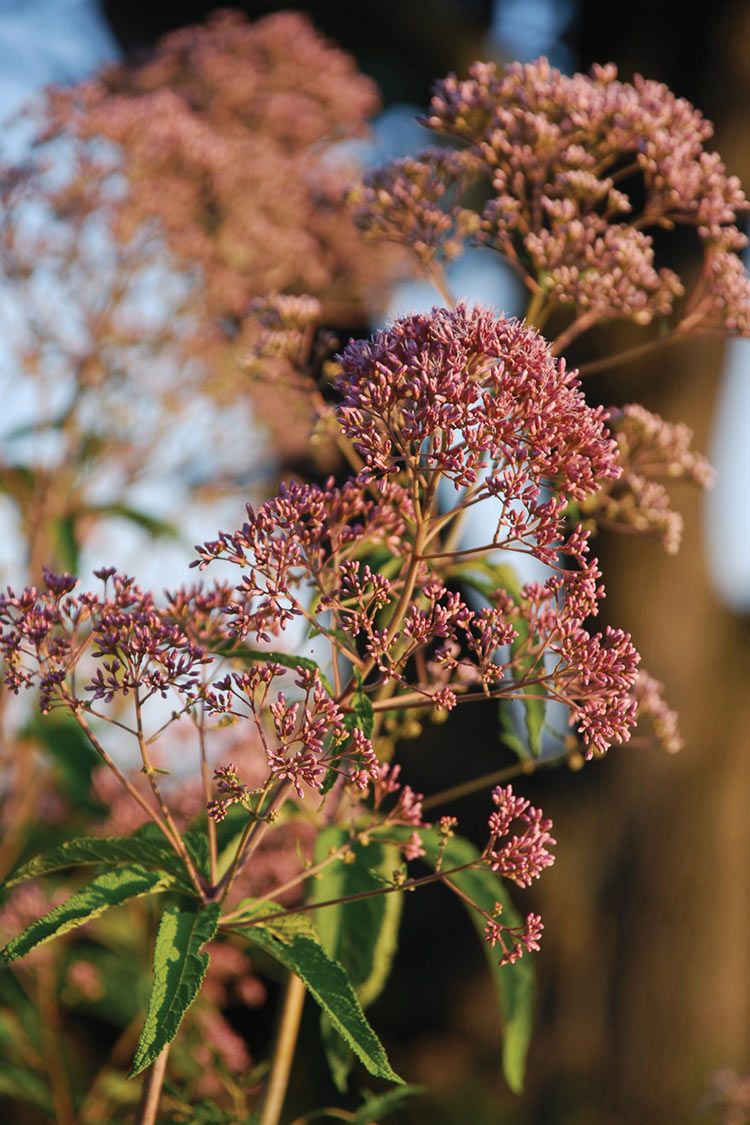


Tall Blue Larkspur
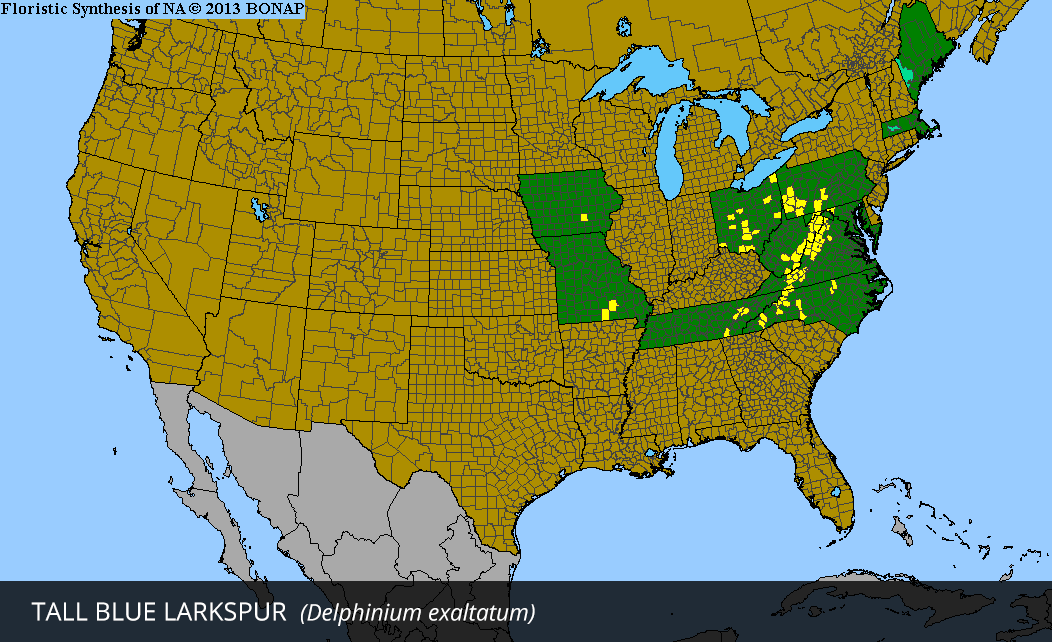
Tall Blue Larkspur, Delphinium exaltatum, thrives in well-drained soil in light shade. Native to the woodlands of Ohio and Pennsylvania, it is an important mid-summer nectar source for hummingbirds …
| Soil Type | Loam, Sand |
|---|---|
| Soil Moisture | Dry, Medium |
| Sun Exposure | Full Sun, Partial |
| Height | 3' - 5' |
| Bloom Color | Blue |
| Bloom Time | July, Aug |
| Spacing | 1' |
| Hardiness Zone | 4, 5, 6, 7 |
| Root Type | Fibrous |
| Benefits | Butterflies, Pollinators, Hummingbirds |
Details
Tall Blue Larkspur elevates the mood of the late summer garden with delicate spires dressed in deep blue-purple blooms. Each flower has a distinctive spur, or nectary, that extends back behind the pedicel, giving Larkspur its name. The leaves are deeply lobed and palmate, appearing larger and more mounded at the base, and becoming smaller further up the stalk. The contrast of foliage against tall flower spikes has a dramatic, multi-layered effect.
Natural Habitat & Growing Conditions
Native to the eastern and central United States, especially the Appalachian region, Tall Blue Larkspur grows in open woodlands, woodland edges, and upland slopes. It prefers well-drained soils with average fertility and does best in light shade. It will tolerate drier conditions once established.
Landscape Use
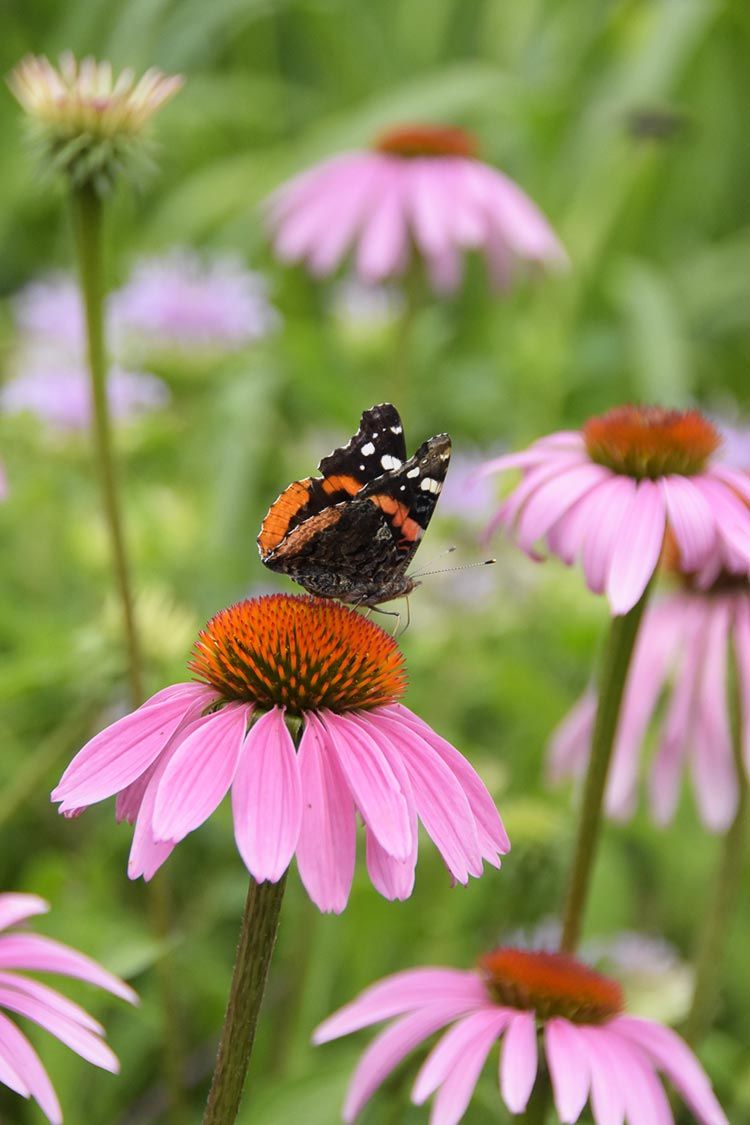
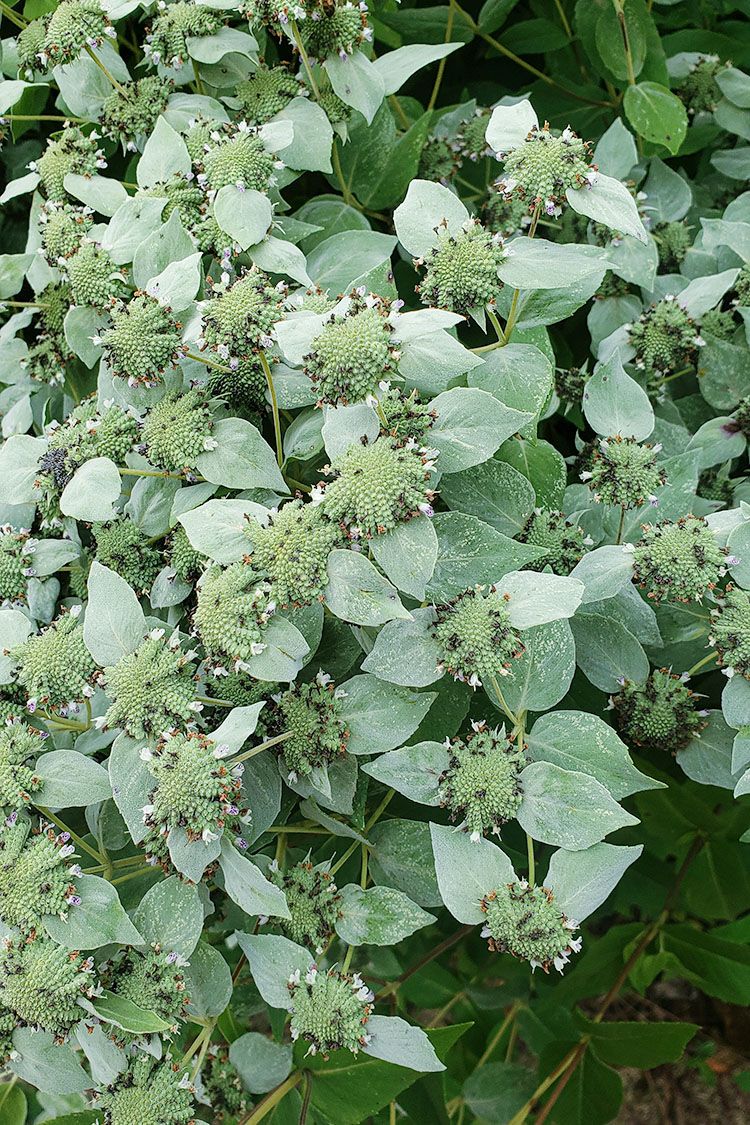
Delphinium exaltatum is ideal for pollinator gardens or large naturalized settings where its height and color can make a strong vertical statement. Pair it with Purple Coneflowers and Short Toothed Mountain Mint. This pollinator favorite is visited by long-tongued bees, butterflies and hummingbirds – all able access the nectar deep inside the flowers.
Growth Habit & Reproduction
A clump-forming perennial, Tall Blue Larkspur tends to stay in place rather than spreading aggressively. It can reseed under the right conditions but does so very modestly and is not considered aggressive. Plants can take a couple of years to become fully established and flower reliably but are long-lived once settled.
Care Tips
This species is relatively low maintenance, but good drainage is required, and it doesn’t like a soggy setting. A light mulch can help retain soil moisture and regulate temperature in full sun settings. In an open windy setting Tall Blue Larkspur is likely to need staking. Very rich soils or excessive fertilizer can also lead to weak, floppy growth.
Conservation Notes
In some areas of its native range, particularly where woodland habitats have been lost or degraded, populations of Delphinium exaltatum have declined. It is considered uncommon, or of conservation concern, in several states.