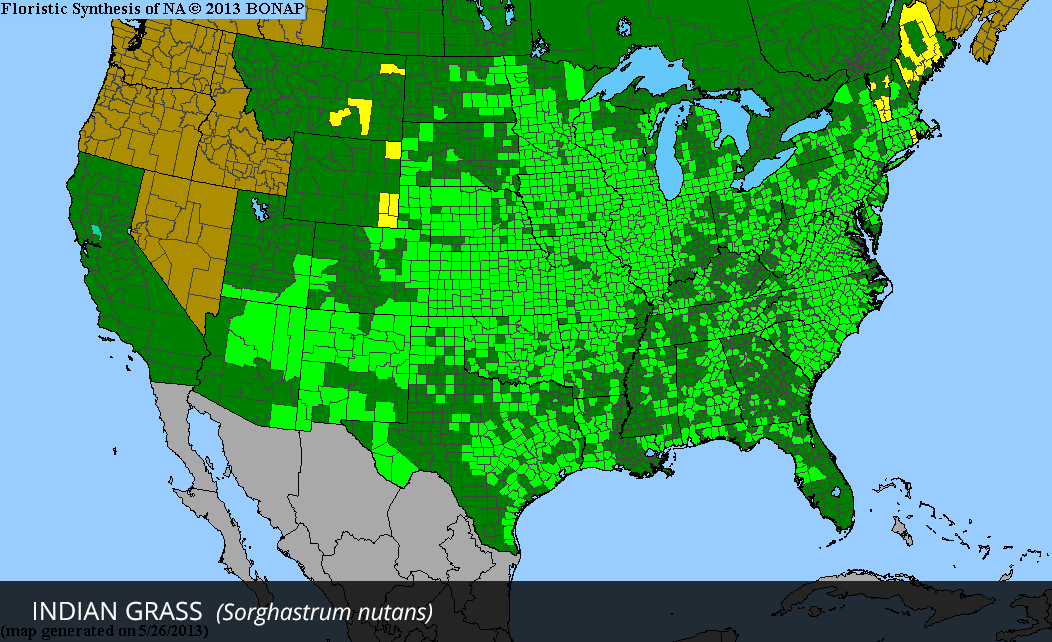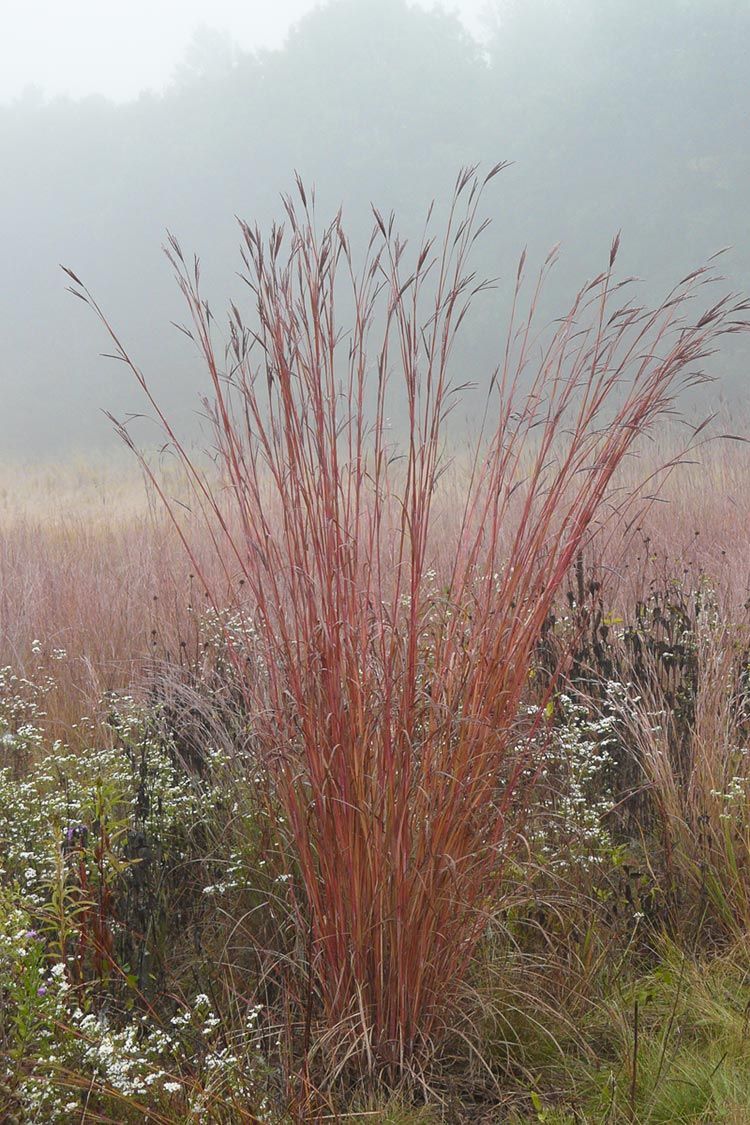


Indiangrass
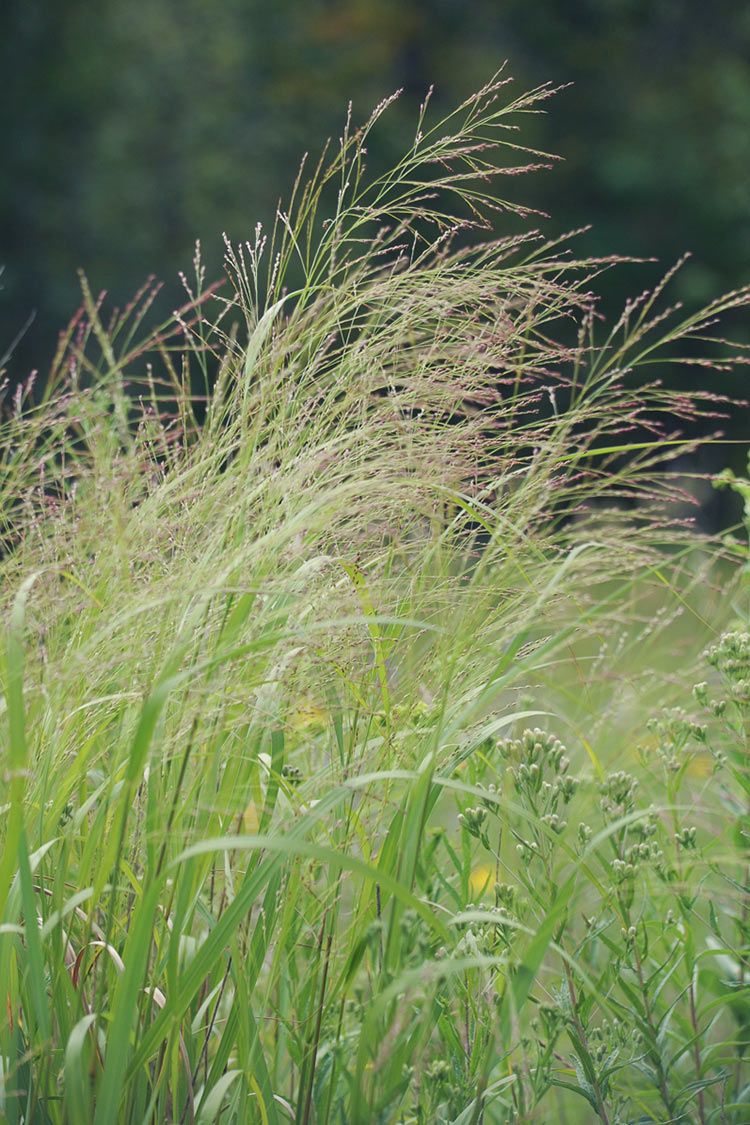
Indiangrass brings a natural drama to the autumn landscape with its rich golden-bronze seed heads. One of the earliest warm season grasses to set seed, this prairie tallgrass forms upright clumps with blue-green summer foliage that turns gold in the fall …
| Soil Type | Clay, Loam, Sand |
|---|---|
| Soil Moisture | Dry, Medium, Moist |
| Sun Exposure | Full Sun |
| Height | 5' - 7' |
| Bloom Color | Green, Gold |
| Bloom Time | Aug, Sep |
| Spacing | 1' - 2' |
| Hardiness Zone | 3, 4, 5, 6, 7, 8, 9 |
| Root Type | Fibrous |
| Benefits | Birds, Deer Resistant |
| Seeds per Oz | 8300 |
| Propagation | Dry Stratification |
| Direct Sowing | Spring, Early Summer |
Details
Indiangrass brings a natural drama to the autumn landscape with its rich golden-bronze seed heads. One of the earliest warm season grasses to set seed, this prairie tallgrass forms upright clumps with blue-green summer foliage that turns gold in the fall. Tolerant of a wide range of soils including heavy clays, Indiangrass is easily grown in dry to medium well-drained soils, and needs full sun to look its best.
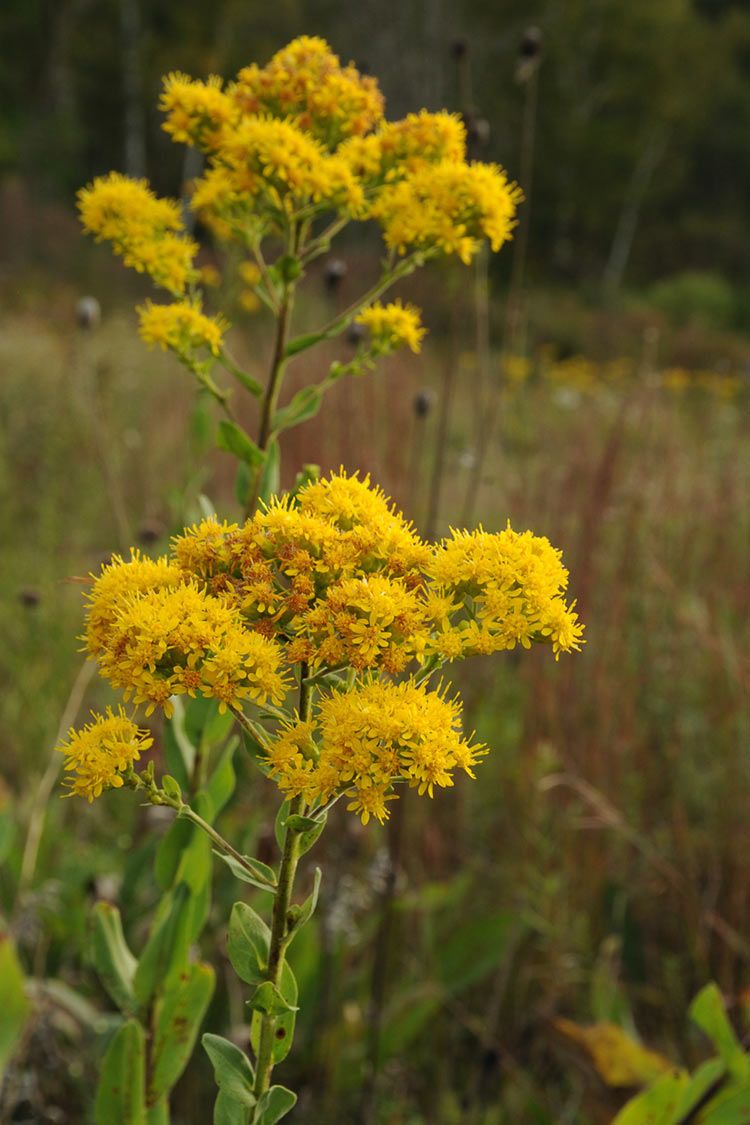
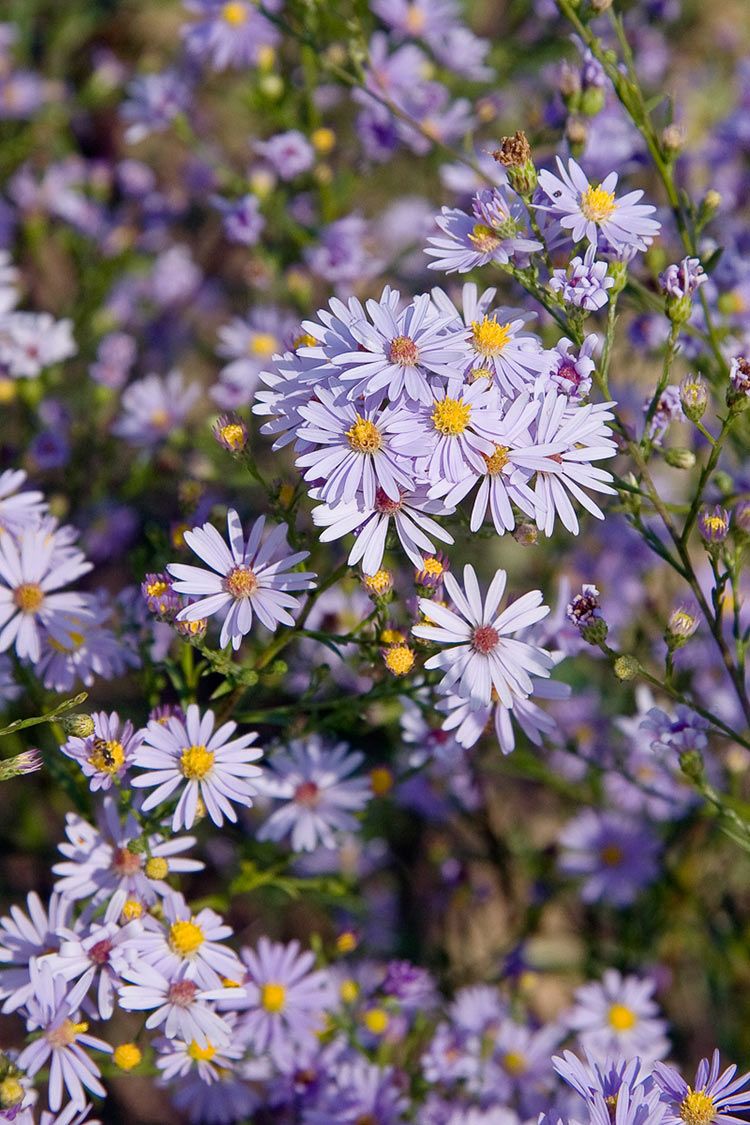
Drought resistant, Sorghastrum nutans creates a supportive environment for wildlife, including songbirds and gamebirds. It can seed aggressively, and may not be suitable for smaller settings, but it is a good companion grass for a wide range of prairie flowers. Indian Grass is a desirable component in most eastern North American grasslands.
Seeding Rates
For a Solid Stand of Indiangrass:
• 1/4 Lb. per 1000 square feet
• 10 Lb. per acre