

Sassafras
A popular landscape tree, Sassafras is well known for its unique leaves, which show up in a variety of shapes on the same tree. The leaves release a spicy-sweet smell when crushed, typical of trees and shrubs in the Laurel family …
| Soil Type | Loam, Sand |
|---|---|
| Soil Moisture | Medium, Moist |
| Sun Exposure | Full Sun, Partial |
| Height | 20' - 60' |
| Bloom Color | White, Green |
| Bloom Time | Apr, May |
| Spacing | 15' - 20' |
| Hardiness Zone | 4, 5, 6, 7, 8, 9 |
| Root Type | Rhizome |
| Benefits | Birds, Butterflies, Pollinators, Host Plant |
Details
A popular landscape tree, Sassafras is well known for its unique leaves, which show up in a variety of shapes on the same tree. The leaves release a spicy-sweet smell when crushed, typical of trees and shrubs in the Laurel family. In spring, small clusters of yellow-green flowers appear before the leaves come out, giving the tree a soft haze of color. Branching horizontally in cloud-like tiers, Sassafras leaves turn brilliant shades of orange, red, yellow, and purple in the fall. As it matures, the bark darkens in color and the texture deepens into rugged furrows.
Growth and Care
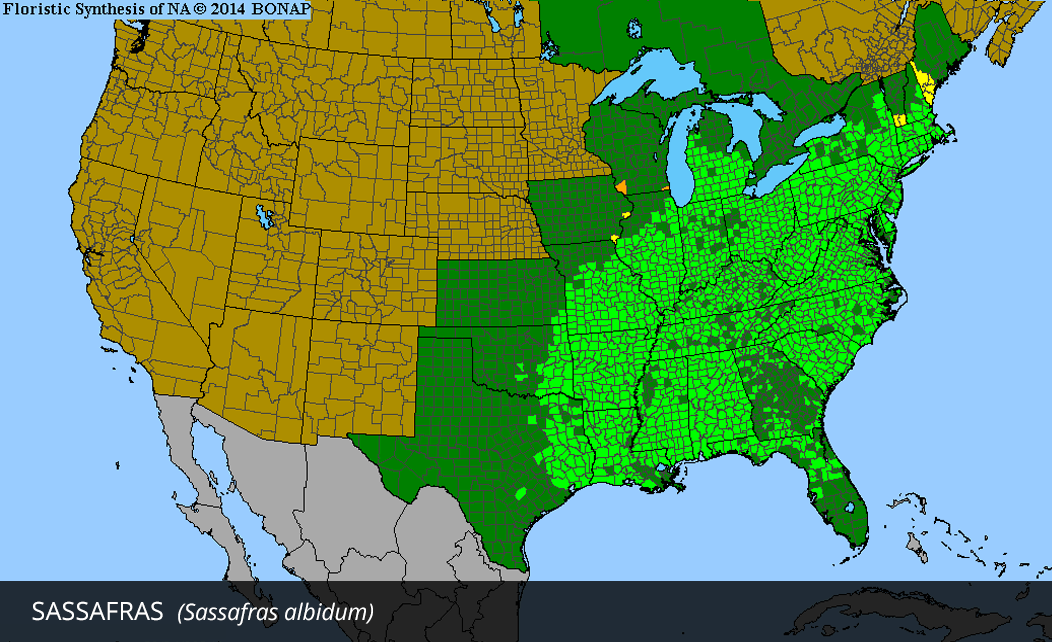
In its native habitat Sassafras grows along woodland edges and open forest of the eastern United States and thrives in full sun or partial shade. Full shade is not tolerated. Sandy or loamy soil, with moderate moisture and decent drainage is optimal, though Sassafras is relatively adaptable and not too fussy. Situations to avoid are heavy clay, compacted clay, constantly wet, or wet clay soils.
Sassafras grows at a moderate pace of one to two feet per year. In more formal settings or properties with less space it is commonly cultivated as a single tree. A single specimen is easy to maintain by removing any suckers that show up. As a pioneer species It spreads through root suckers and can form a nice colony in open areas. It is well suited to larger spaces or naturalized areas where a little colonizing is welcome: a hedgerow, wildlife border, or introduced on disturbed sites with infertile soil.
Wildlife Interactions
Sassafras is a valuable host plant for the Spicebush Swallowtail butterfly and the Eastern Tiger Swallowtail – and for numerous moth species including Imperial moth, Tulip-tree Silk moth, Promethea moth, Io moth, Sassafras Caloptilia moth. Its popularity as a host plant increases its value to nesting birds with young mouths to feed. In early spring, the flowers are a good source of nectar for bees and other early emerging pollinators.
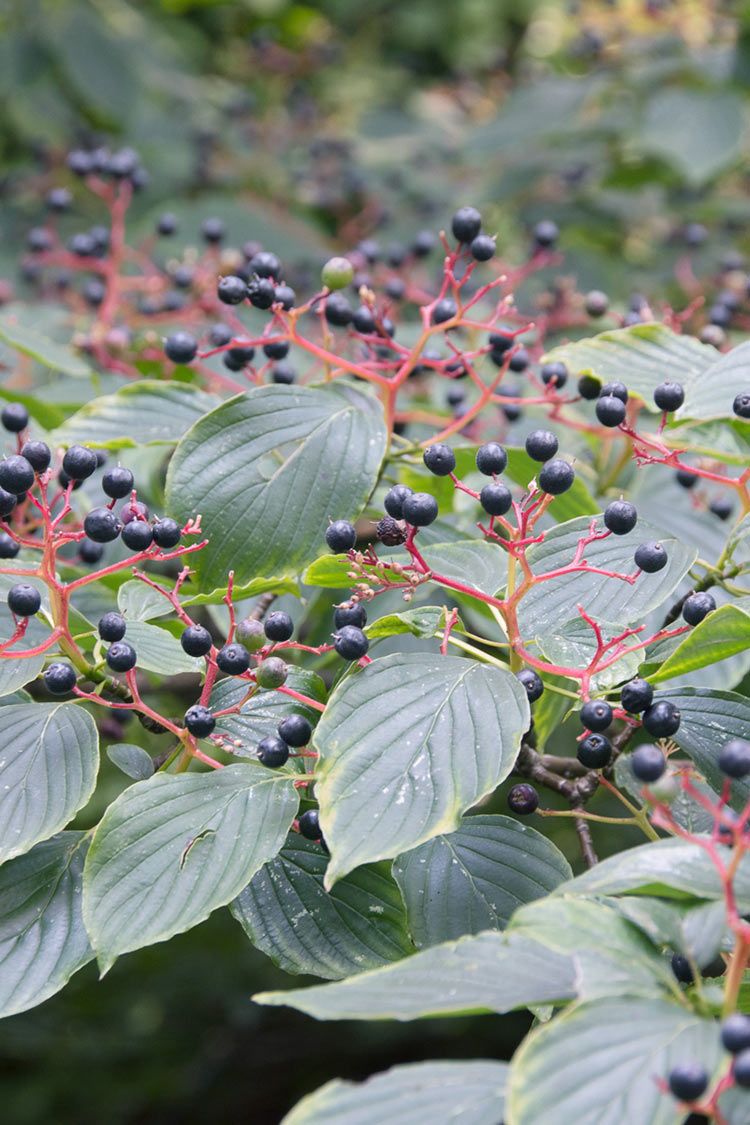
Sassafras is dioecious, meaning individual trees are either male or female — and female trees produce the small blue-black fruits later in summer. The fruits are a devoured by birds, including thrushes, vireos, woodpeckers, wild turkey, and bobwhite quail.
It is only moderately deer resistant – deer will browse the end twigs and leaves, but the aromatic leaves and bark can discourage heavy feeding. Rabbits will eat young saplings during winter. Newly planted stock will need to be protected if deer and rabbits are present.
History & Conservation
The aromatic roots and bark of sassafras were commonly brewed into tea by Native American and European colonist alike. At one time (when) it was used as a flavoring for root beer, but the compound responsible (safrole) was restricted for food use decades ago due to health concerns. The bark is poisonous and causes low toxicity if ingested.
Sassafras is not considered endangered or threatened as a species and remains widespread across its native range. However, in parts of the southeastern U.S., it has become vulnerable to laurel wilt, a fungal disease spread by an invasive ambrosia beetle that also affects related trees like spicebush. Gardeners in affected regions may want to keep an eye out for symptoms.