Salvia azurea, or Blue Sage, blooms for an extended period in late summer with bright blue flowers that stand out against the warm color of late season prairie grasses. As with other Salvias, the leaves are very aromatic and the flowers attract bees, butterflies and hummingbirds …
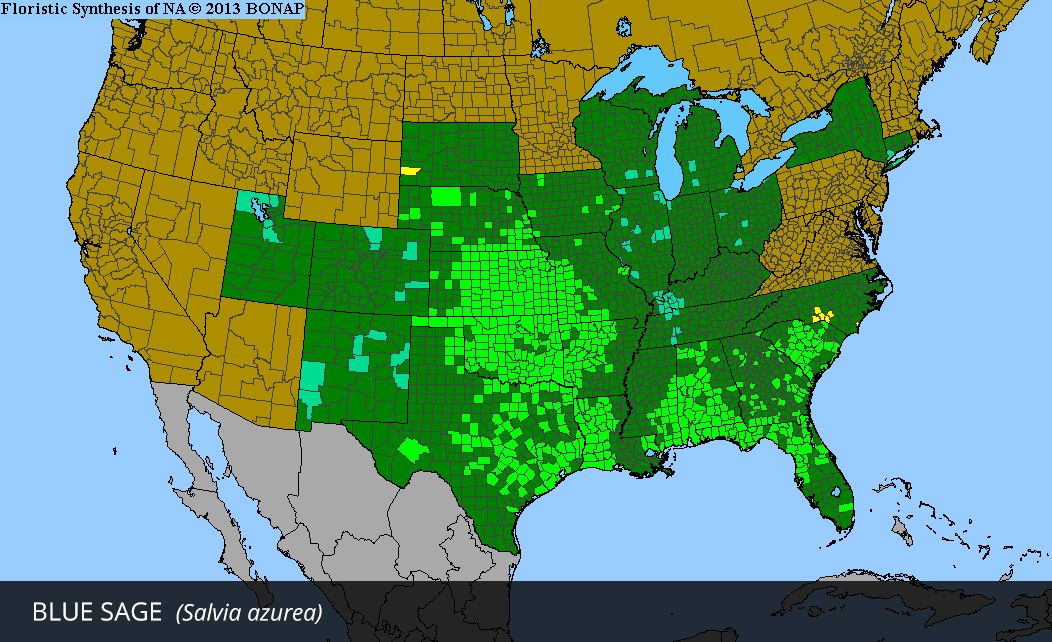
Salvia azurea, or Blue Sage, blooms for an extended period in late summer with bright blue flowers that stand out against the warm color of late season prairie grasses. As with other Salvias, the leaves are very aromatic and the flowers attract bees, butterflies and hummingbirds. An excellent choice for dry sites Blue Sage grows naturally across the central, southern, and eastern United States, including parts of the Great Plains and Midwest. Rocky prairies, limestone glades open woodlands are natural habitats for this drought tolerant native.
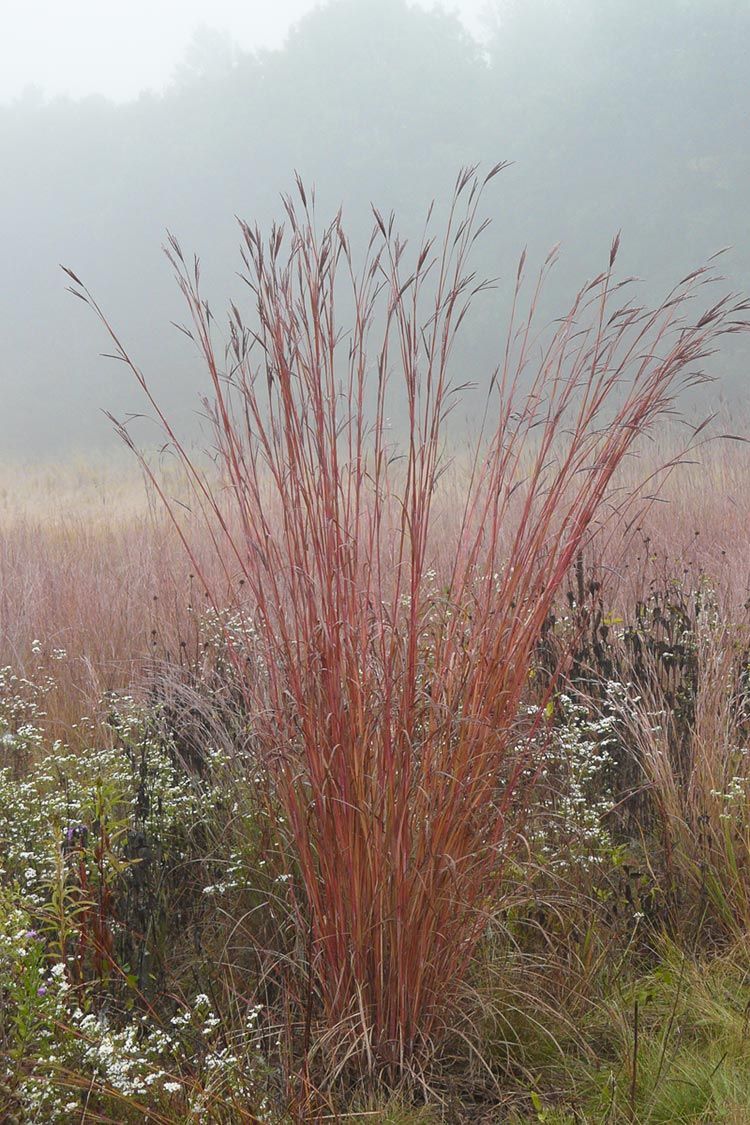
Native Blue Sage prefers poor soil and tends to flop in rich soils. This can be avoided by surround planting it in a tight community of plants that includes tall prairie grasses, which allows them the natural support they're adapted to. Alternatively, once a plant is established (2nd year or later) the stems can be cut back, halfway down the main stem, in early summer to promote a shorter plant with more branching.
Salvia azurea is a host plant for the Hermit sphinx moth (Lintneria eremitus).
Native plants can be grown outside of their native range in the appropriate growing conditions. This map shows the native range, as well as the introduced range, of this species.
Plant Shipping Rates: for plant orders up to $50 the shipping amount is $9.95. For plant orders from $50.01 and over, the shipping rate is 20% of the total plant cost.
Spring plant-shipping begins March 22, 2027. The last day to order plants this spring is projected to be May 14, 2027.
During checkout, you will choose a shipping week for your plant delivery, from the dates that are available. The week that you choose will be included in your order confirmation email. When your plants ship you will receive an email that includes your tracking information.
We ship plant orders Monday thru Wednesday from our nursery in central Wisconsin. The farther your plants need to travel, the earlier in the week they will ship. The goal is to deliver all plants by the end of the week.